
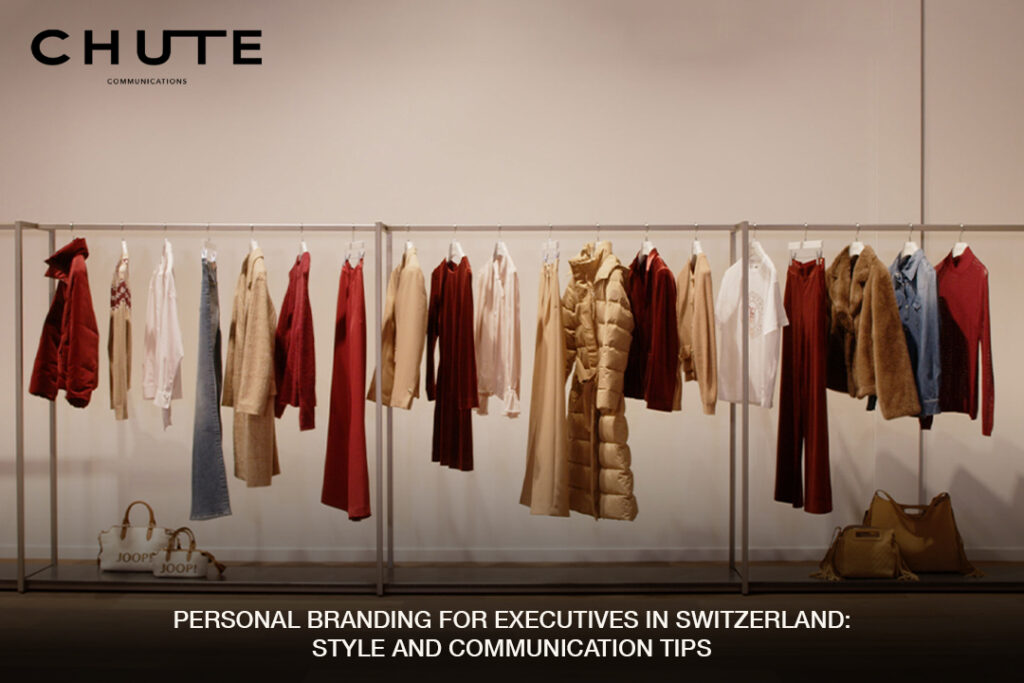
Visibility alone does not help build a reputation in Switzerland. A person can build their reputation through the process of being consistent, being discreet, and having the ability to convey an aura of authority during every interaction they have with professionals. In the executive world, where a high level of trust is essential, personal branding has less to do with being the loudest than it does with quietly instilling confidence in others.
In various international business settings, such as boardrooms in Zurich or at international business meetings in Geneva, executives are consistently and constantly measured by other criteria than their qualifications, including how they communicate, how they present themselves, how they navigate conversations and their consistency with regard to their profession, all of which influence the perceptions of leadership.
This is why executive personal branding has become increasingly important for modern leaders operating in high-trust environments. More executives today are working with a specialized fashion consulting agency to refine not only personal style, but also executive presence, communication, and leadership perception.
Why Personal Branding Matters for Executives in Switzerland
In Switzerland, professional credibility is deeply rooted in the sense of how one is perceived.
Perception plays a strong role in creating the conditions for executives working in industries like finance, luxury goods, consulting, healthcare and international business to exhibit stability, professionalism and confidence at all times. Leaders are able to influence decision-making through expertise as well as through the manner in which they present themselves.
As such, personal branding in Switzerland is very different from markets that tend to reward aggressive self-promotion.
Swiss business culture values:
- Precision over performance
- Substance over visibility
- Consistency over trends
- Professionalism over theatrics
Executives who understand these dynamics tend to build stronger long-term influence.
A refined professional image communicates reliability before conversations even begin.
Understanding Swiss Business Culture and Professional Expectations
One of the most misunderstood aspects of Swiss business culture style is its understated nature.
Leadership in Switzerland business style is often expressed quietly. Strong executives are expected to remain composed, prepared, and measured rather than overly performative.
This applies across multiple areas:
- Communication style
- Professional attire
- Business etiquette
- Leadership behavior
- Networking approach
Meeting domination by executive leaders and excessive self promotion are two ways that trust can be undermined.
At the other end of the spectrum a leader exhibiting clear, concise, credible, and professional communication can be effective as a leader and build trust within the organization.
As an executive, being aware of these cultural personality differences will help you operate successfully in swiss corporate and international companies. This type of culture is important for establishing relationships in business.
Defining Your Executive Brand Identity
Strong executive branding begins with clarity.
Before refining style or communication, executives must define how they want to be perceived professionally.
This is where experienced personal brand consultants Switzerland focus first.
An effective executive brand should answer key questions:
- What leadership qualities should people associate with you?
- What impression do you leave after important meetings?
- Does your current image support your professional position?
- Are your communication style and appearance aligned?
A senior investment advisor, for instance, requires a very different leadership image than a technology founder or creative entrepreneur.
Both need authority.
But the visual language, communication approach, and professional positioning must align with their industry environment.
This is where strategic leadership image consulting becomes valuable. The goal is not reinvention. It is refined.
Building a Strong and Consistent Professional Image
The strategy places a high priority on consistency as an essential component of a strong professional image Switzerland.
Most professional executives concentrate their efforts on singular events; i.e., conferences, investor meetings, and media appearances. Nonetheless, building professional credibility invariably is accomplished by developing ongoing relationships through multiple interactions over a long period.
Every touchpoint contributes to leadership perception:
- Appearance
- Communication tone
- Body language
- Digital presence
- Networking behavior
- Professional etiquette
When these elements feel disconnected, credibility weakens.
For example, an executive may present a polished LinkedIn profile but struggle with communication confidence in person. Another may dress impeccably yet fail to project clarity during leadership discussions.
Executives who create alignment across all professional interactions tend to build stronger influence naturally.
This is one reason why many leaders now work with a fashion consulting agency that understands both image strategy and executive positioning.
Executive Style Guide: Dressing for Leadership in Switzerland
The executive style in Switzerland is refined, disciplined, and context-aware.
The objective is not to appear fashionable.
The objective is to appear credible.
Strong corporate style Switzerland typically includes:
- Tailored silhouettes
- Neutral and sophisticated color palettes
- Minimal visible branding
- High-quality fabrics
- Strong attention to detail
- Excellent fit and grooming
In Swiss corporate environments, excessive fashion statements can often feel distracting.
Understated elegance communicates confidence more effectively than trend-driven styling.
These executive styling tips are particularly relevant for leaders operating within:
- Finance
- Luxury industries
- International consulting
- Private advisory services
- Corporate leadership environments
Professional appearance should reinforce authority rather than compete with it.
Communication Skills for Executive Presence and Influence
True executive presence is built as much through communication as through appearance.
In business communication Switzerland, executives are expected to communicate with precision, composure, and clarity.
Strong leadership communication often includes:
- Speaking concisely
- Listening carefully before responding
- Maintaining calm under pressure
- Structuring conversations clearly
- Adjusting how you communicate depending on different audiences
The way in which communication is conducted by teams when communicating with leaders is often out of control; in fact, pace and timing are generally forgotten aspects of an overall tone to communicate effectively with others.
In Swiss business culture, communication is typically valued as developed and thoughtful. Therefore, being rushed, interrupting, or using too much explaining can create doubt about a leader’s authority.
When leaders remain calm when communicating with their employees they are demonstrating confidence.
Often, influence is communicated through restraint.
Aligning Personal Style with Industry Expectations
One common mistake in modern branding is assuming authenticity means complete personal freedom.
In reality, effective executive branding requires balance.
Executives must align personal expression with professional expectations, industry standards, and leadership responsibilities.
For example, the expectations surrounding executive appearance in private banking differ significantly from those in creative industries or technology startups.
Strong professional branding tips focus on creating alignment between:
- Personal identity
- Leadership role
- Corporate culture
- Industry expectations
- Client perception
The strongest executive brands feel natural, polished, and intentional rather than overly curated.
Digital Presence and LinkedIn Branding for Swiss Executives
An executive’s digital presence now shapes professional perception long before in-person meetings happen.
For professionals focused on executive personal branding, LinkedIn has become one of the most important credibility platforms.
However, Swiss executives benefit most from a refined and strategic approach rather than constant visibility.
Effective digital branding often includes:
- Thoughtful industry insights
- Professional visual consistency
- Clear positioning
- Credible leadership messaging
- Selective and meaningful engagement
Executives who overproduce content or rely heavily on self-promotion often create disconnect within high-trust business environments.
In Switzerland, authority is still closely linked to substance and professionalism.
Multilingualism in the Swiss Workplace
Swiss Executives need to develop a strong understanding of Cultures across their different language groups like German, French, and Italian as they are often conducting Business in German/French/Italian and international situations.
This makes adaptability essential.
Executives with excellent cross-cultural skills can be regarded as having stronger global abilities, and as being more experienced professionals.
Good leaders recognize that different areas of business will have varying modes of communication, while still being consistently professional no matter where they are communicating.
That balance strengthens trust significantly.
Maintaining and Evolving Your Executive Brand Over Time
Executive branding is not static.
As leadership roles evolve, professional presence must evolve alongside them.
The image that supports early career growth may not reflect the authority required at senior leadership levels.
This is why experienced executives periodically reassess:
- Professional image
- Communication style
- Leadership positioning
- Digital presence
- Industry perception
The goal is not constant reinvention.
It is refinement.
In Switzerland, strong executive branding is ultimately about alignment between leadership capability, professional image, and communication presence.
That level of refinement rarely happens accidentally.
It requires strategic thinking, cultural awareness, and a highly personalized approach.
At Chute Agency, executive branding is approached as a strategic exercise in credibility, perception, and long-term influence, tailored carefully to the environments where leadership presence matters most.